


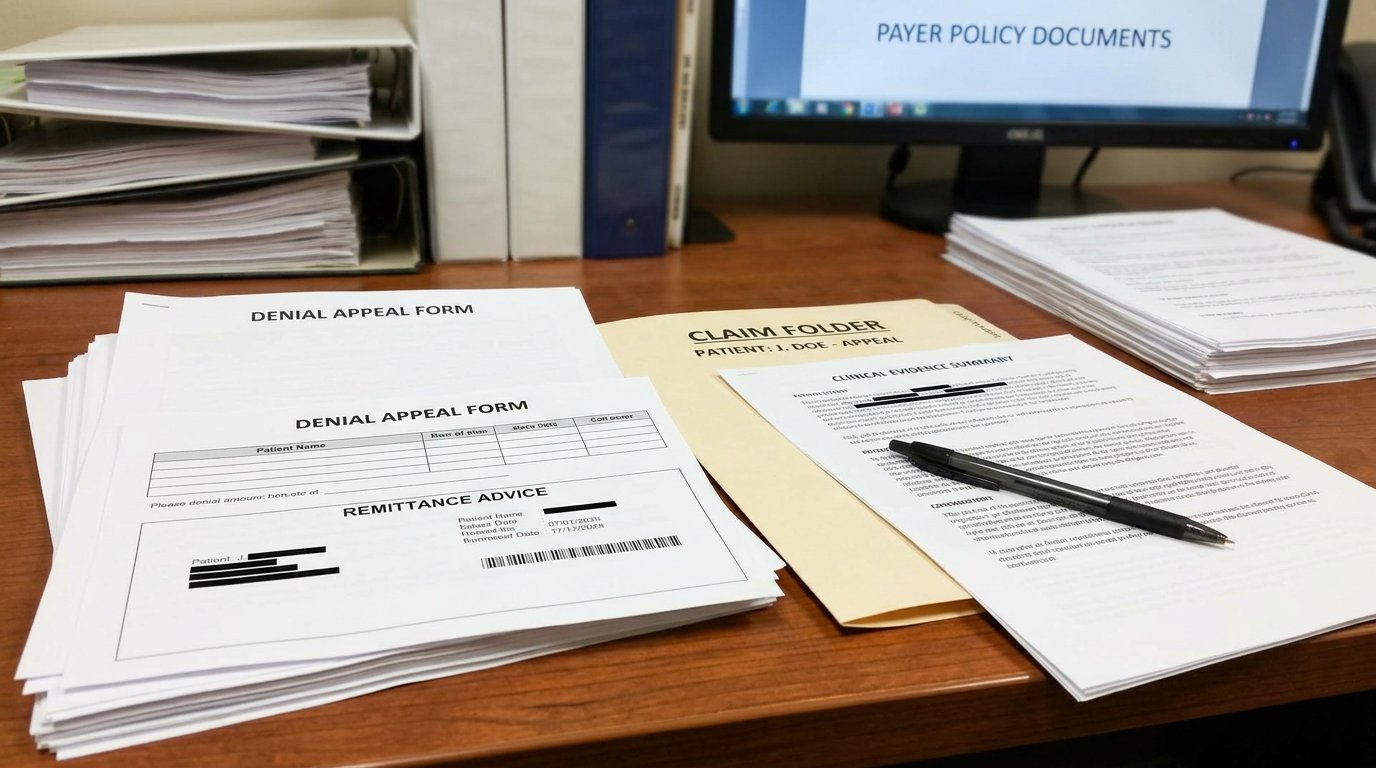
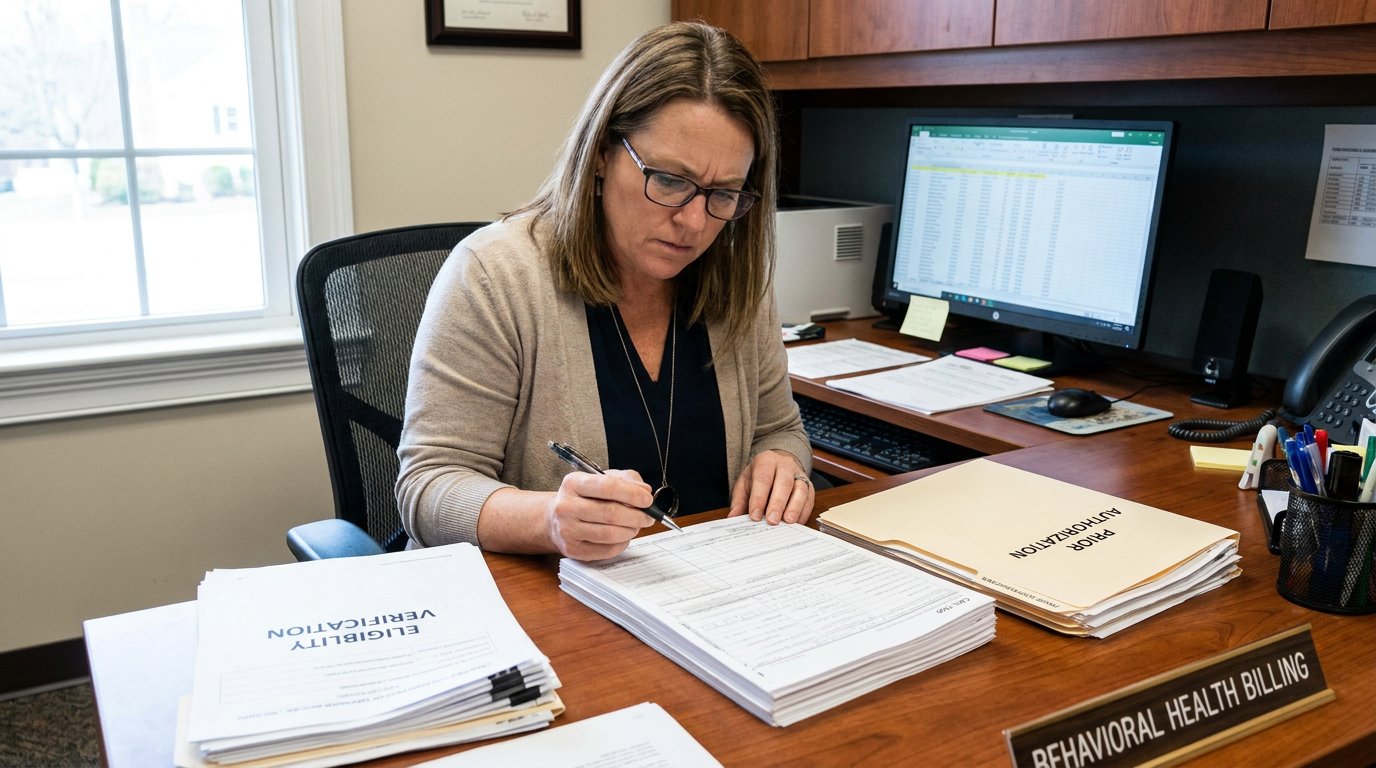

To recover outstanding behavioral health balances without damaging patient relationships, you’ll need to shift from aggressive tactics to empathy-driven, compliance-first processes. Start by collecting copays at time of service, verifying insurance before appointments, and automating billing to reduce errors. Train your staff to discuss balances with active listening and sensitivity, since financial stress can trigger relapse. Offer structured payment plans early and choose HIPAA-compliant collection partners experienced in mental health. Below, you’ll find the specific strategies to implement each step.
Why Standard Collection Tactics Fail in Behavioral Health
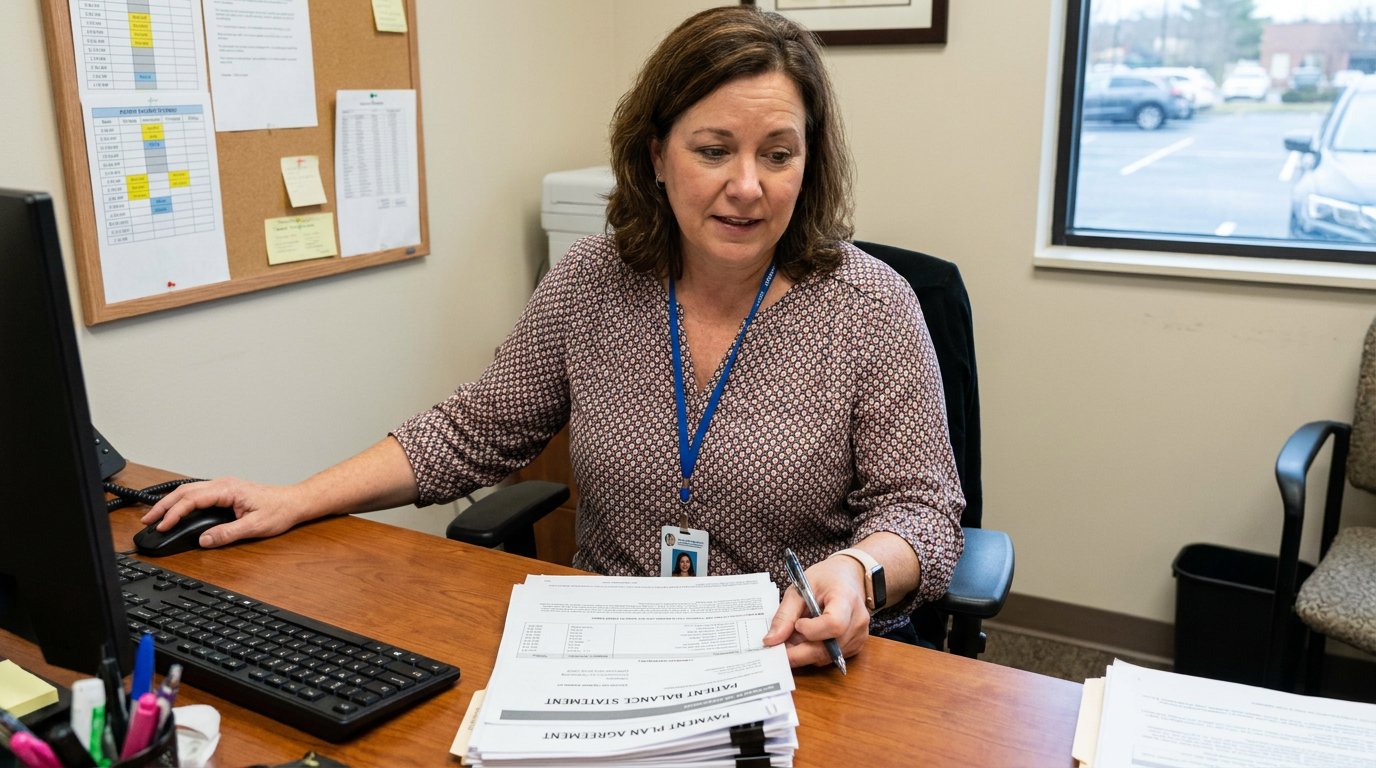
When behavioral health facilities apply the same collection tactics that work in orthopedics or cardiology, they consistently underperform, and the reasons go deeper than patient demographics. Behavioral health collections operate in a clinical environment where financial pressure is itself a relapse risk. Aggressive pursuit damages therapeutic trust and drives patients out of treatment entirely. Medical record audits in behavioral health are crucial for identifying gaps in care and ensuring that treatment plans are effectively communicated among providers.
Your patient balance collections behavioral health process must account for high denial rates from coding errors, authorization gaps, and documentation inconsistencies that inflate the balances patients are asked to pay. When you’re collecting on amounts that include preventable billing failures, you’re compounding the problem. These upstream errors can result in facilities losing 10, 20% of collectible revenue, meaning a significant portion of what ends up on patient statements may never have been the patient’s responsibility in the first place.
Collections without damaging relationships requires recognizing that your revenue cycle’s upstream failures, not patient unwillingness, are often the root cause.
Collect Behavioral Health Copays at Time of Service
Collecting copays at time of service is the single most effective point-of-collection action in behavioral health, and the one most facilities handle poorly. Every uncollected copay becomes an outstanding balance addiction treatment centers must chase later at higher cost. With 98% of healthcare professionals already collecting copays before services are rendered, facilities that delay this step are falling behind industry standard.
Your collections strategy treatment center-wide should include these steps:
- Verify insurance and estimate copay amounts before the patient arrives.
- Communicate payment expectations through appointment reminders via text or email.
- Collect payment at check-in before the session begins, this is your highest-leverage moment.
- Offer multiple payment methods including mobile pay and text-to-pay links to reduce friction.
When you build consistent copay collection into your workflow, you’ll reduce patient collections mental health teams must pursue downstream while keeping balances manageable for patients in treatment.
Verify Insurance and Eligibility Before Every Appointment

You’ll prevent most collections headaches by confirming every patient’s coverage before they walk through the door, not after a claim comes back denied. Checking deductible status early lets you set accurate financial expectations and collect the right amount at the time of service. When you verify service eligibility upfront, including any exclusions, authorization requirements, or visit limits, you protect both your revenue cycle and your patients from unexpected financial burdens that can disrupt their treatment. Since eligibility-related denials can consume 10-15% of practice revenue, building this verification step into your workflow is one of the most impactful ways to safeguard your collections process.
Confirm Coverage Before Visits
Before a patient ever walks through your door, your front-end staff should have already confirmed that the patient’s insurance coverage is active, accurate, and sufficient for the services you plan to deliver. This single step drives behavioral health revenue recovery more than almost any downstream collection effort.
Effective patient financial counseling behavioral health teams follow this verification checklist: Clean claim submission strategies are vital for reducing billing errors and improving overall workflow efficiency. By implementing robust processes, teams can enhance their chances of timely reimbursements.
- Confirm active policy status, including effective and termination dates, against payer records 48, 72 hours before the appointment.
- Validate member ID, group number, and policyholder details to prevent claim rejections.
- Identify pre-authorization requirements for planned services and complete them before delivery.
- Disclose financial obligations upfront, including copays, deductibles, and coinsurance, so patients aren’t blindsided.
Transparent behavioral health patient billing starts here, before treatment, not after.
Check Deductible Status Early
Even when a patient’s insurance policy shows as active, that status alone doesn’t tell you what they’ll actually owe. You need to verify deductible amounts, remaining balances, copays, coinsurance, and out-of-pocket maximums before the visit, not after.
This step is critical for recovering balances behavioral health facilities typically struggle to collect. When patients don’t know their costs upfront, surprise bills erode trust and reduce payment likelihood. Effective billing practices are essential for ensuring that treatment costs are transparent. Cash flow optimization in mental health facilities not only improves financial health but also enhances patient satisfaction.
Check deductible status three to five days before the appointment, then re-verify 24 to 72 hours prior. Pay special attention during Q1, when deductibles reset to zero and patient responsibility spikes. Use real-time eligibility tools integrated with your EHR to pull accurate cost data instantly. Capturing this information early prevents collection disputes before they start.
Verify Service Eligibility Upfront
Confirming a patient’s insurance eligibility before every appointment protects both your revenue and the patient’s treatment continuity. Coverage gaps discovered after services are rendered create balances that strain the patient relationship and complicate collections.
Build these verification steps into your standard workflow:
- Run automated eligibility checks at booking to flag coverage issues immediately.
- Batch electronic verifications 48, 72 hours before scheduled appointments to allow time for follow-up.
- Confirm plan type, in-network status, and service-specific exclusions to prevent claim denials.
- Perform a day-of recheck for payers with frequent updates to catch last-minute changes.
Document every verification result in the patient’s record. When you identify a lapse, communicate it to the patient promptly so they can explore options before treatment, not after a surprise balance appears.
Automate Behavioral Health Billing to Stop Losing Revenue

Every dollar lost to a billing error or missed claim is a dollar that can’t fund patient care, staff retention, or program growth. Manual billing in behavioral health is especially error-prone given session-based coding, multi-payer rules, and authorization complexities. Automation addresses this directly.
| Manual Process | Automated Process |
|---|---|
| Eligibility checked inconsistently | Real-time eligibility verification |
| Claims scrubbed by hand | AI-powered claims scrubbing |
| Denials tracked in spreadsheets | Automated denial monitoring |
| Follow-ups delayed or missed | Workflow-triggered follow-ups |
| Payer rules applied inconsistently | Built-in payer-specific routing |
You can expect denial rates to drop from 20% to under 7% within one quarter. That’s recovered revenue you’re currently leaving on the table, revenue your patients and programs need.
Train Your Team to Discuss Balances With Empathy
When your front-desk staff or billing team contacts a patient about an outstanding balance, that conversation carries clinical weight most collectors never consider. Financial stress is an active relapse trigger in behavioral health, so your collection approach must protect clinical outcomes while recovering revenue.
Build these competencies into your team’s training:
- Active listening techniques that uncover actual barriers to payment rather than surface-level objections
- Mental health awareness training that reduces stigma around financial struggles
- Role-playing difficult scenarios so representatives respond consistently under pressure
- Boundary-setting skills that prevent emotional exhaustion without sacrificing compassion
Track empathy training‘s impact through patient complaint rates, payment plan adherence, and collector retention. You’ll find that empathetic conversations consistently outperform aggressive ones.
Offer Payment Plans Before Accounts Reach Collections
Before an outstanding balance ages past the point of realistic recovery, offering a structured payment plan gives both your facility and your patient a clear path forward. Proactively reach out before debts exceed 120, 180 days overdue, prioritizing sizable balances where approval likelihood is highest.
Tailor monthly payments to each patient’s financial situation using a formal hardship assessment. Segment patients by risk, those with consistent payment histories may qualify for lower upfront amounts, while higher-risk cases warrant more structured terms. Secure every agreement in writing before accepting payments, and use certified checks or money orders for traceability.
Set automated reminders through patient-preferred channels before and after due dates. If a patient reports cash-flow changes, revisit the plan immediately rather than waiting for default.
Choose a Collection Agency That Understands Mental Health
Even with well-structured payment plans in place, some accounts will age past the point where internal follow-up is productive. When you escalate to a collection agency, you’re extending your facility’s reputation into that interaction. The wrong partner can undo years of trust-building with a single call.
Select an agency that meets these criteria:
- Demonstrated experience in behavioral health or healthcare-specific collections
- Compliance with state collection laws and alignment with HIPAA-adjacent ethical standards
- Compassionate recovery methods designed for patients managing mental health conditions
- Custom program structures tailored to your facility’s patient population and clinical values
You’ll typically pay 20% to 50% of recovered amounts, a worthwhile trade-off against internal productivity losses and legal exposure.
Stay HIPAA-Compliant Throughout Behavioral Health Collections
When you’re collecting on behavioral health accounts, you’re handling some of the most sensitive patient data in healthcare, and a single misstep can trigger HIPAA penalties up to $2,190,000 per violation category. You need to protect patient data rights at every stage of the collections process, from limiting PHI disclosures to the minimum necessary for payment to securing written authorizations before sharing information with external collection partners. Equally critical, your communication practices must rely on encrypted channels, secure portals, and staff trained annually on breach response and 42 CFR Part 2 protections for substance use disorder records.
Protecting Patient Data Rights
Because behavioral health records carry some of the strongest privacy protections in healthcare, your collections process must handle patient data with extraordinary care. SUD records fall under 42 CFR Part 2, which preempts HIPAA and restricts disclosures even further.
To protect patient data rights during collections, you should:
- Limit disclosures to the minimum necessary information, sharing only billing codes and balance details, never clinical notes or treatment specifics.
- Require written patient authorization before disclosing PHI to any entity beyond standard treatment, payment, or operations purposes.
- Treat debt collection agencies as business associates, binding them to HIPAA privacy and confidentiality standards through formal agreements.
- Maintain audit trails for every access point and modification to billing data throughout the collections lifecycle.
Compliant Communication Best Practices
Protecting patient data is only part of the equation, how you communicate that data matters just as much. Every outreach attempt must balance recovery goals with HIPAA and TCPA compliance. You’ll need documented opt-in consent, identity verification before discussing account details, and standardized templates that minimize PHI exposure.
| Channel | Best Practice |
|---|---|
| SMS | Quick reminders only; no diagnoses or balances |
| Encrypted Email/Portal | Detailed statements with charge breakdowns |
| Voice Calls | Verify identity before sharing any account information |
| Ringless Voicemail | Low-detail administrative messages only |
| Secure Messaging Apps | Require BAA, end-to-end encryption, and audit trails |
Honor patients’ preferred communication modality, frequency, and quiet hours. Train staff regularly on breach protocols and role-based access controls.
Call Now and Simplify Your Billing Process
Revenue challenges should never distract you from the work that matters most. At Arise Billing Solutions, our experienced U.S.-based team manages your entire billing cycle with accuracy, transparency, and integrity. Call +1 (747) 256-6600 today and let us help you take control of your revenue.
Frequently Asked Questions
How Long Can Behavioral Health Debts Remain in Collections Before They Expire?
You can typically pursue behavioral health debts for 3 to 10 years, depending on your state’s statute of limitations. The clock usually starts from the last payment date or when the balance became due. Keep in mind, a partial payment or written acknowledgment can reset that timeline. Even after the statute expires, the debt doesn’t disappear, you just can’t file a lawsuit. You’ll want to verify your state’s specific rules to stay compliant.
Are Behavioral Health Balances Under $500 Reported to Credit Bureaus?
No, you won’t find behavioral health balances under $500 on your credit reports. Since April 2023, the major credit bureaus, Equifax, Experian, and TransUnion, have removed medical collections under $500, even if they’re unpaid. However, you should know that facilities can still sell these debts to collectors, and if you paid with a credit card, that balance isn’t protected under these rules. Check your reports and dispute any inaccuracies.
Can Unpaid Behavioral Health Bills Affect a Patient’s Ability to Resume Treatment?
Yes, unpaid bills can directly affect your ability to resume treatment. Research shows 62% of people with health-related debt avoid or delay care due to cost, and 48% postpone medical appointments. Financial stress also increases psychological distress, making you less likely to seek the help you need. That’s why effective behavioral health facilities offer financial hardship assessments and flexible payment plans, they’re designed to keep you engaged in treatment, not locked out of it.
What Financial Assistance Options Exist for Uninsured Behavioral Health Patients?
You’ve got several options to explore. You can apply for Medicaid or CHIP if you qualify based on income, or check Healthcare.gov for marketplace plans with subsidies. Many hospitals offer charity care and sliding-fee scales based on your income level. SAMHSA-funded centers provide treatment on a sliding scale, and programs like Partnership for Prescription Assistance can help cover medication costs. Don’t hesitate to ask about payment plans or financial hardship assessments.
How Does Medical Debt From Behavioral Health Treatment Impact Patient Credit Scores?
Medical debt from behavioral health treatment now carries considerably less credit impact than before. If your balance falls under $500, it won’t appear on your credit report at all. You’ll also benefit from a 365-day grace period before any reporting begins, giving you time to arrange payment or resolve insurance issues. Once you’ve paid a medical collection, it’s removed from your credit history entirely.