
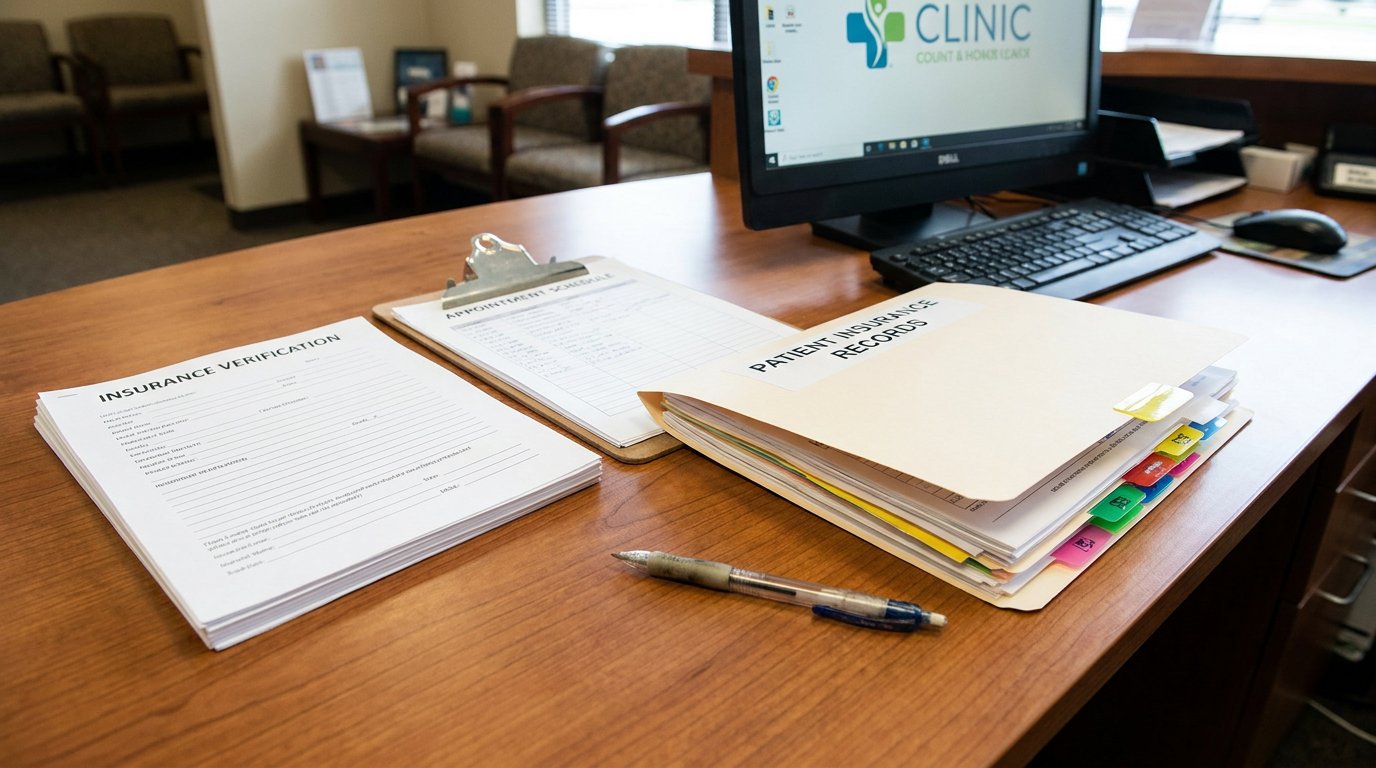

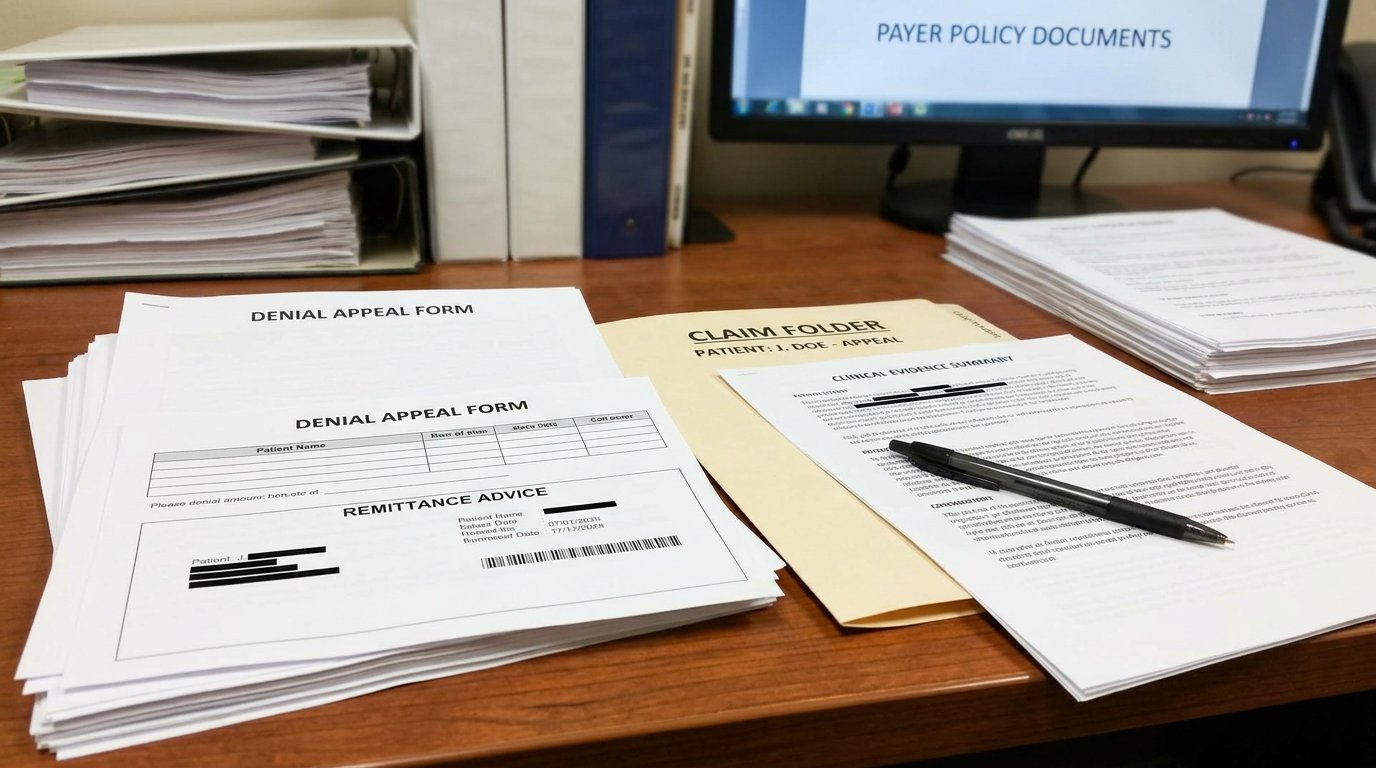
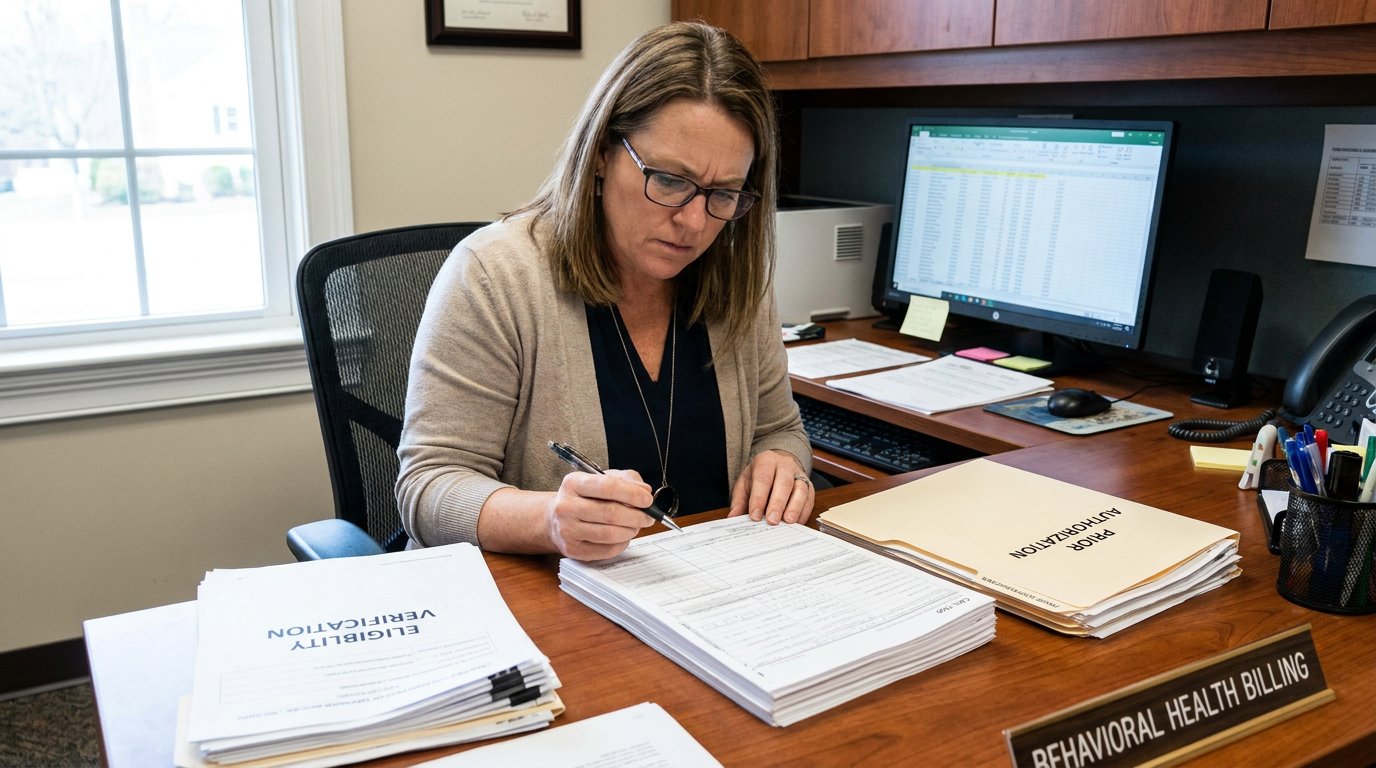

Before every behavioral health admission, you need to verify active eligibility, confirm behavioral health carve-out status, and check authorization requirements down to session caps and treatment-setting restrictions. You’ll also want to document cost-sharing obligations, deductibles, copays, and coinsurance, so patients understand their financial responsibility upfront. Don’t overlook preadmission certification timelines or payer-specific triggers that can derail reimbursement. Getting these steps right protects your revenue cycle, and the workflow below breaks each one down.
Why Benefit Verification Can’t Wait Until Admission Day

When a behavioral health facility delays benefit verification until the day of admission, it’s gambling with both revenue and patient outcomes. Last-minute verifications overload your staff, divert resources from patient intake, and leave zero margin for correcting errors like incomplete SSA letters or carved-out behavioral health benefits.
Federal and state regulations mandate pre-admission verification of benefits in behavioral health settings. Violations don’t just trigger claim denials, they expose your facility to compliance penalties and fraud accusations. An SSA Benefit Verification Letter missing essential components such as benefit type, monthly amount, or healthcare status can result in rejection by requesting agencies, further delaying the admission process.
You should complete verification 48, 72 hours before admission. This window lets you correct partial eligibility responses, confirm authorization requirements, and identify coordination of benefits issues. Without it, you’re admitting patients against unverified coverage and absorbing preventable financial losses.
Coverage Details to Confirm During Verification
You need to confirm both what the plan covers and what it excludes before admitting a patient, because undisclosed benefit limits, such as session caps, level-of-care restrictions, or carved-out service exclusions, are among the most common drivers of preventable claim denials. Equally critical is documenting the patient’s cost-sharing obligations, including deductible status, copay amounts by level of care, coinsurance percentages, and progress toward the out-of-pocket maximum. Getting these details wrong doesn’t just create billing problems, it exposes your facility to unrecoverable revenue losses and puts patients at risk for unexpected financial liability. Because each treatment setting, from inpatient and residential to PHP, IOP, and standard outpatient, requires separate authorizations, admissions teams must verify coverage independently for every level of care a patient may transition through during treatment.
Benefit Limits and Exclusions
Even after you’ve confirmed a patient’s eligibility and benefit levels, the verification isn’t complete until you’ve identified every limit, exclusion, and coverage restriction that could trigger a denial. Under MHPAEA, ACA-compliant plans can’t impose annual or lifetime dollar limits on behavioral health services, but visit and session caps still exist. Your vob behavioral health process must document specific visit allowances by treatment setting and confirm they’re no more restrictive than medical/surgical benefit limits.
You’ll also need to verify network access restrictions, since out-of-network reimbursement methodologies can’t discriminate against behavioral health providers. Confirm that inpatient and residential coverage isn’t limited to short-term or acute treatment only. These verification steps are especially critical given that only 24% receiving treatment among the 54.6 million individuals ages 12 and older who needed substance use care in 2022, making accurate benefit confirmation essential to removing barriers to admission. Finally, check for condition-specific exclusions, pre-existing condition limitations and carve-out restrictions that could eliminate coverage entirely.
Cost-Sharing Responsibility Details
Confirming that a patient’s plan covers behavioral health services at a given level of care means nothing if you haven’t calculated what the patient actually owes out of pocket. Federal marketplace silver plans carry average deductibles of $4,500, and approximately 15% of plans require 50% coinsurance for substance abuse treatment. These figures directly determine collectability.
During insurance eligibility verification behavioral health teams must confirm deductible satisfaction status, coinsurance percentages, copayment amounts, and out-of-pocket maximum progress. Out-of-network care generates two to three times higher cost-sharing burdens than in-network utilization, making network status confirmation essential. You’ll also need to verify whether the plan imposes higher cost-sharing for behavioral health than medical services, at least 30% of plans do, creating compliance concerns under federal parity requirements.
How to Align Level of Care With Verified Benefits

Once you’ve confirmed a patient’s benefit details, you need to match their clinical level of care, whether inpatient, residential, IOP, or outpatient, directly to the coverage your VOB verified, ensuring the planned services fall within the patient’s active benefits. Document this alignment in writing before admission, noting the specific benefit tier, any visit or day limitations, co-insurance percentages, and out-of-pocket obligations so you have a defensible record if a payer later disputes the claim. You should also initiate preadmission certification at this stage, since most payers require prior authorization for higher levels of care, and failing to secure it before services begin is one of the fastest ways to trigger an otherwise preventable denial.
Matching Clinical Needs First
Before your admissions team ever contacts a payer to verify benefits, the clinical team must first establish the patient’s acuity level and determine the appropriate level of care, because the entire VOB process depends on knowing exactly what you’re verifying coverage *for*. Clinical assessment must precede behavioral health insurance verification, not follow it.
Use real-time acuity tools and multidisciplinary consultation to match the patient’s psychiatric presentation to the correct service intensity, whether that’s residential, PHP, IOP, or outpatient. Research shows integrated placement models reduce inappropriate admissions by 78% and cut length of stay by over 50%. When you right-size placement from the start, you prevent over-utilization, reduce denials tied to medical necessity disputes, and align your verification efforts with the exact benefit tier you’ll actually bill against.
Documenting Coverage-Level Alignment
The clinical team’s level-of-care determination only protects your revenue if your documentation explicitly ties that placement decision to the patient’s verified benefit structure. During your pre-admission insurance check, confirm that the approved level of care matches what the payer’s plan actually covers, including session minimums, daily service hour requirements, and ASAM criteria alignment where applicable.
Document this alignment in the admission record. Link the clinical rationale for placement directly to the benefit terms you’ve verified, creating a defensible connection between medical necessity and covered services. Include the payer’s specific authorization parameters, any carved-out behavioral health administrator requirements, and applicable service limitations.
This documentation serves as your first line of defense against retroactive denials claiming the level of care wasn’t supported or wasn’t a covered benefit.
Preadmission Certification Timing
Because preadmission certification operates on strict payer-specific timelines, your facility must initiate the process early enough to secure approval before the patient’s first billable service, not after. Rocky Mountain Health Plans, for example, requires pre-service notification for SUD and behavioral health IOP, with authorization triggers kicking in after 15 sessions. PRTF stays need concurrent review if they extend beyond three days post-July 1, 2025.
Preadmission certification timing directly impacts reimbursement. Your payer or MCO evaluates medical necessity at admission, confirming the level of care aligns with clinical criteria. Emergency admissions don’t require pre-certification, but all elective inpatient and identified outpatient services do. Missing these windows means you’re delivering services without guaranteed payment, a financially indefensible position for any treatment center.
Preadmission Certification Steps for Medicaid Clients

Medicaid preadmission certification demands a more layered verification process than commercial insurance because state-specific enrollment requirements, medical necessity determinations, and level of care screenings must all clear before a facility can bill for services. Understanding what to check before admitting a patient prevents costly claim rejections that Medicaid won’t reverse retroactively.
Medicaid preadmission certification requires multiple verification layers, miss one step, and you risk claim rejections that can’t be reversed.
- Confirm active Medicaid enrollment and submit prior authorization requests with the member’s Medicaid ID, date of birth, rendering provider details, complete clinical documentation, and physician signature.
- Complete Level I PASRR screening to evaluate for serious mental illness or intellectual disability before admission.
- Initiate Level II PASRR evaluation when Level I results are positive, securing determination of need and appropriate setting identification.
- Submit PL1 Screening Form to the admitting facility before processing any MDS LTCMI documentation.
A Step-by-Step VOB Workflow Your Team Can Repeat
Map out your VOB workflow before a single call is placed, because a repeatable process is the only thing standing between your facility and preventable revenue loss. Start by collecting member ID, group number, and payer contact details during intake. Next, contact the insurer to confirm active eligibility, behavioral health carve-out status, deductibles, and authorization requirements.
Log every detail, rep name, call reference number, and coverage specifics, directly into your CRM for real-time tracking. Score each case on payment eligibility and clinical fit using a structured qualification model. Then hand off documented VOB notes to admissions via standardized checklists. This disciplined approach to VOB addiction treatment verification guarantees every team member executes the same financially sound, compliance-aligned process without deviation.
Verification Gaps That Stall Behavioral Health Admissions
Even when your team follows a disciplined VOB workflow, specific verification gaps can stall admissions, trigger denials, and drain revenue before a patient ever receives care.
- Carved-out behavioral health benefits go undetected. Your behavioral health VOB process must identify whether a managed behavioral health organization administers benefits separately from the primary medical plan.
- Incomplete patient data derails eligibility checks. General verification platforms fail when intake data is partial, which is common in behavioral health admissions.
- Siloed admissions and billing workflows create blind spots. Without a structured handoff, coverage details confirmed during verification never reach the billing team.
- Missing pre-authorization triggers post-service denials. Skipping authorization confirmation before admission shifts full financial risk to your facility.
How to Handle VOB When Coverage Is Limited or Missing
When your VOB reveals limited coverage, high deductibles, carved-out exclusions, exhausted benefits, or no active behavioral health policy at all, your facility’s financial exposure starts the moment you admit that patient. Preventing vob errors behavioral health teams commonly make requires immediate, structured action.
| Action | Purpose |
|---|---|
| Disclose copays, deductibles, and exclusions before admission | Eliminates surprise billing disputes |
| Collect upfront deposits for uncovered services | Secures revenue before treatment begins |
| Submit pre-authorization for specialty services | Prevents medical necessity denials |
| Determine primary vs. secondary payer order | Avoids automatic COB claim rejections |
| Document all findings and obtain signed financial responsibility forms | Creates legal protection for uncollected balances |
Escalate complex cases to billing specialists immediately.
Call Now and Simplify Your Billing Process
Revenue challenges should never distract you from the work that matters most. At Arise Billing Solutions, our experienced U.S.-based team manages your entire billing cycle with accuracy, transparency, and integrity. Call +1 (747) 256-6600 today and let us help you take control of your revenue.
Frequently Asked Questions
How Do Carved-Out Behavioral Health Organizations Affect Which Payer to Contact for VOB?
When a plan carves out behavioral health benefits, you can’t contact the primary medical insurer for VOB, you must reach the separate managed behavioral health organization that actually administers coverage. If you verify with the wrong payer, you’ll file claims incorrectly, trigger denials, and delay reimbursement. Always ask, “Does this plan have a behavioral health carve-out?” Then confirm the correct payer through portals, phone, or EDI before admitting any patient.
Can a Facility Legally Deny Admission Solely Because Insurance Verification Reveals High Deductibles?
No, you can’t legally deny admission solely based on high deductibles. Under the Mental Health Parity and Addiction Equity Act and ACA protections, refusing admission for financial reasons alone constitutes discrimination against behavioral health patients. When your VOB reveals a high deductible, you’re obligated to inform the patient of their out-of-pocket costs but must still admit them if they meet medical necessity criteria. You should work with your billing team to explore reimbursement options that reduce patient financial barriers.
What Staffing Qualifications Are Required for Personnel Conducting Verification of Benefits?
You need staff with at least a high school diploma, though a degree in healthcare administration is preferred. They should hold certifications like CPC or CMRS and have 1, 2 years of billing or insurance verification experience. You’ll also want expertise in behavioral health carve-outs, EHR proficiency, HIPAA compliance knowledge, and training in payer-specific call scripts. Assign a dedicated full-time specialist, don’t pull from a shared pool, to prevent costly claim denials.
How Long Does a Completed Verification of Benefits Remain Valid Before Expiring?
A completed VOB doesn’t carry a fixed expiration date, it’s a point-in-time snapshot that can become obsolete immediately. You’ll need to re-verify on January 1st when deductibles reset, every six months for long-term therapy patients, and immediately after life events like job changes or marriage. If a claim denies unexpectedly, that’s your signal the original verification no longer reflects current coverage, and you should re-verify before delivering additional services.
What Standardized Assessment Tools Are Used Alongside VOB to Determine Admission Eligibility?
You’ll typically use standardized clinical assessment tools like the ASAM Criteria for substance use disorders and the DSM-5 diagnostic framework to determine admission eligibility alongside your VOB. These tools establish medical necessity, which payers require before they’ll authorize coverage. You may also incorporate validated screening instruments such as the PHQ-9, GAQ-7, or AUDIT to document severity levels. Without these clinical assessments supporting your VOB findings, you’re risking authorization denials and lost revenue.